

Public vs. Private Preschool in Greenwood, IN: Cost, Class Size, and Curriculum Compared
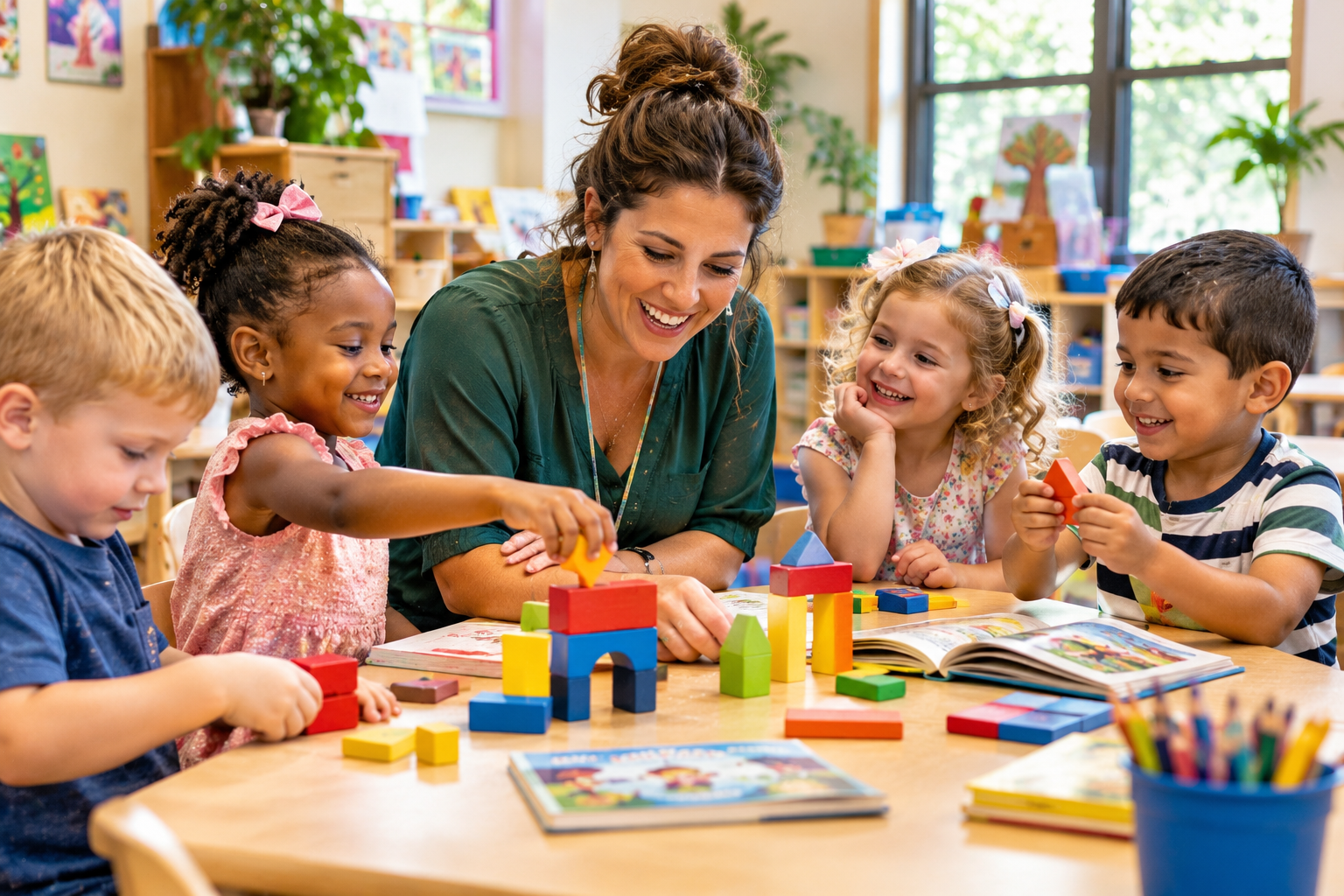
Choosing a preschool for your child is exciting, but it can also feel surprisingly overwhelming. You want somewhere your little one will feel comfortable making friends, exploring new ideas, and developing the skills they’ll need for kindergarten. At the same time, you’re probably thinking about tuition, classroom sizes, daily schedules, and whether a particular program fits your family’s values. For parents in Greenwood, IN, comparing public and private preschools is an important first step toward finding an environment where their children can truly thrive.
When comparing public preschool vs private preschool, the biggest differences often involve cost, enrollment eligibility, classroom structure, curriculum, and scheduling flexibility. Public preschool programs may offer free or reduced-cost education for qualifying children, while private preschools typically charge tuition and may provide additional scheduling choices or specialized educational approaches. However, neither option is automatically better, and individual programs can differ considerably.
Here’s what Greenwood-area parents should know before making their decision:
- Public preschool eligibility and tuition depend on the school district, specific program, and available funding.
- Private preschool tuition varies based on classroom age, attendance schedule, and included services.
- Families throughout Johnson County should compare actual student-to-teacher ratios rather than assuming private classrooms are always smaller.
- Indiana’s On My Way Pre-K program may help eligible families access qualifying public or private preschool programs.
- Curriculum, classroom environment, and teacher communication can be just as important as the price of enrollment.
At Kids Kingdom Early Learning Center, we’re proud to offer families a private preschool in Greenwood where children can develop academically, socially, emotionally, and spiritually. Our husband-and-wife owners, Scott and Danielle Marshall, are involved in the center’s daily operations and share a commitment to providing a safe, loving, Christian learning environment. We understand that choosing a preschool is a personal decision, and we want families to feel informed and confident as they explore their options.
How Much Does Public vs. Private Preschool Cost in Greenwood, IN?
Preschool cost in Indiana varies depending on whether a program is publicly funded, tuition-based, or supported through financial assistance. Some public programs are available without tuition to qualifying children, while others charge fees. Private preschools generally require tuition, although eligible families may qualify for assistance at participating providers.
Understanding Public Preschool Costs
Public preschool isn’t necessarily free for every family. School districts may offer programs funded through a combination of state resources, local funding, family tuition, or specialized educational services.
For example, families exploring options through Greenwood Community School Corporation or nearby districts should verify whether programs are open to all children or restricted by age, residency, developmental needs, or other eligibility criteria.
Parents should also ask whether transportation, meals, extended care, and additional activities are included. A program with lower tuition may still involve expenses that affect the family budget.
Understanding Private Preschool Tuition
Private preschool tuition typically reflects the services, schedule, staffing, facilities, and educational programming offered by the provider. Some centers charge weekly or monthly tuition, while others structure enrollment around specific attendance options.
When comparing preschool tuition, consider:
- Whether your child will attend full-time or part-time.
- How many hours of care are included each day.
- Whether meals and snacks are provided.
- Whether educational materials or activity fees are separate.
- Whether before-school or after-school care is available.
- How holidays, school breaks, and summer schedules affect tuition.
At our early learning center in Greenwood, IN, we encourage families to discuss their child’s age, educational needs, and scheduling preferences when exploring enrollment. This helps parents understand which program options may fit their routines and what questions to ask about current tuition.
Can Indiana Families Get Help Paying for Preschool?
Yes, Indiana offers financial assistance through programs such as On My Way Pre-K, which supports qualifying 4-year-olds attending approved early learning providers.
For the 2026–2027 school year, the Indiana Family and Social Services Administration identifies eligibility requirements involving the child’s age, household income, and parental employment or educational activities. Children generally must have turned 4 by August 1, 2026, and be preparing to enter kindergarten the following school year.
The program’s standard household income eligibility threshold is 135% of the federal poverty level, and the annual voucher is capped at $6,800. Funding and enrollment are limited, and a voucher may not cover the entire cost of a selected program.
Importantly, approved providers can include both public and private early learning settings. Families should verify current eligibility, available funding, and each school’s participation before making enrollment decisions.
Are Private Preschool Class Sizes Smaller Than Public Preschool Classes?
Private preschool class sizes can be smaller than those of some public programs, but that’s not a universal rule. The actual number of children, available teaching staff, age group, and classroom organization determine how much individual attention a child may receive in either setting.
Why Student-to-Teacher Ratio Matters
A student-to-teacher ratio describes how many children are assigned to each teacher or qualified classroom staff member. For example, a classroom with 12 children and 2 teachers has a ratio of 6 children per teacher.
However, the ratio doesn’t tell the whole story. Parents should also consider classroom group size, staff experience, daily activities, and how teachers respond when children need additional guidance.
A classroom might have a reasonable ratio but still feel busy or overwhelming to a child who prefers quieter activities. Conversely, a larger group with thoughtful organization and attentive teachers may provide a comfortable learning experience.
Individual Attention and Learning Styles
Children develop at different rates, especially during the preschool years. One child might confidently recognize letters and numbers, while another is still learning to share, follow directions, or express frustration appropriately.
At our private preschool in Greenwood, we emphasize individualized learning and recognize that children don’t all reach milestones at exactly the same time. Our approach includes age-appropriate activities that allow students to explore their interests while strengthening important foundational skills.
For families in Whiteland, Bargersville, and Franklin, observing how teachers interact with children during a classroom tour can provide valuable insight. Watch whether teachers engage with students, explain activities clearly, and offer encouragement when someone needs help.
How Does Public Preschool Curriculum Compare With Private Preschool Curriculum?
Public and private preschool curricula both aim to help young children develop the skills needed for kindergarten, but their educational approaches may differ. Public programs often follow district or state-aligned expectations, while private schools may incorporate additional teaching philosophies, specialized activities, or faith-based instruction.
What Children Typically Learn in Public Preschool
Public preschool programs often emphasize foundational academic and developmental skills. These may include early literacy, counting, problem-solving, communication, and social-emotional development.
Children might practice recognizing letters, identifying shapes, participating in group discussions, and completing hands-on activities. The exact early learning curriculum depends on the school and its educational approach.
Indiana’s Early Learning Standards provide a developmental framework for early childhood education. Parents can use these standards as a reference when discussing how different programs prepare children for kindergarten.
How Private Preschool Curriculum Can Differ
Private preschools may have more flexibility to incorporate particular educational philosophies or additional activities into their daily instruction. Depending on the provider, these might include Montessori-inspired learning, arts-focused activities, faith-based education, or other approaches.
At Kids Kingdom, our Christian values are integrated into our educational environment through age-appropriate Biblical lessons, stories, music, and activities. We also emphasize foundational academic learning, personal development, and opportunities for children to explore their interests.
Our preschool curriculum includes language development, early mathematics, science, physical education, and social skills. We want children to gain confidence in their abilities while discovering that learning can be engaging and enjoyable.
Why Play-Based Learning Is Important
Play-based learning helps young children develop important skills through exploration, imagination, and hands-on experiences. Instead of relying exclusively on worksheets or formal lessons, children learn by interacting with materials, classmates, and their surroundings.
For example, building with blocks introduces basic problem-solving and spatial concepts. Pretend play encourages communication and creativity, while outdoor activities help children strengthen coordination and cooperation.
Both public and private programs may incorporate play-based learning. What matters is how intentionally those experiences support children’s development and whether the activities are appropriate for their age and abilities.
At our Greenwood learning center, hands-on activities are an important part of helping children connect classroom concepts with everyday experiences.
What Other Differences Should Greenwood Parents Consider?
Other differences between public and private preschool can include daily schedules, age requirements, classroom routines, family involvement, and educational philosophy. For working parents throughout Johnson County, these practical considerations can be just as important as tuition or curriculum.
Scheduling and Childcare Needs
Some public preschool programs operate around a traditional academic calendar, while private early learning centers may provide longer daily schedules or additional childcare options. However, availability varies considerably, so parents should compare actual operating hours rather than assuming one option will automatically accommodate their needs.
A family commuting from Greenwood to Indianapolis, for example, may need care that extends beyond a typical school day. Parents working irregular shifts may also want to ask about arrival times, pickup policies, and scheduling consistency.
At our center, we provide early childhood education alongside childcare programs for younger children. This allows families to explore options that support both their child’s development and their everyday responsibilities.
Educational Values and Family Involvement
Every family approaches early education with its own priorities. Some parents prefer a secular classroom environment, while others want faith-based instruction incorporated into their child’s daily experiences.
Our Christian early learning environment emphasizes kindness, empathy, respect, and personal growth alongside academic development. We welcome families from different backgrounds and encourage parents to learn about our approach before deciding whether it aligns with their expectations.
Our on-site owners, Scott and Danielle Marshall, are directly involved in the center. This provides families with an opportunity to get to know the people responsible for the learning environment their children experience.
How Can You Tell Which Preschool Is Right for Your Child?
The best way to choose between public and private preschool is to visit prospective programs, observe the classroom environment, and ask detailed questions about teaching methods, staffing, and daily routines. A preschool should support your child’s developmental needs while fitting your family’s schedule, values, and financial circumstances.
When touring preschools around Greenwood, consider asking:
- What is the student-to-teacher ratio for my child’s age group?
- How many children are assigned to each classroom?
- What does a typical preschool day look like?
- How does the curriculum incorporate play-based learning?
- How do teachers support children who need additional attention?
- What is included in tuition, and are there additional fees?
- How does the school communicate developmental progress to parents?
- What are the expectations for kindergarten readiness?
You should also pay attention to how your child responds to the classroom. A welcoming environment, approachable teachers, and opportunities for meaningful interaction can make the transition into preschool easier.
For parents considering programs near Greenwood, Whiteland, and Southport, touring more than one school can provide useful perspective. Comparing environments in person often reveals differences that aren’t obvious from tuition information or program descriptions.
Frequently Asked Questions About Public and Private Preschool in Greenwood, IN
Is private preschool better than public preschool?
Private preschool isn’t automatically better than public preschool, because the quality of individual programs varies. Both settings can provide excellent early childhood education. Parents should consider curriculum, teacher qualifications, student-to-teacher ratio, cost, and how well the classroom environment supports their child’s personality and developmental needs.
How much does private preschool cost in Greenwood, IN?
Private preschool costs vary based on the child’s age, attendance schedule, services, and individual provider. Some programs include meals or extended childcare, while others charge separately. The most accurate comparison involves requesting current tuition information and asking each school exactly what its fees include.
Does Indiana offer free preschool for 4-year-olds?
Indiana offers state-funded preschool assistance through On My Way Pre-K for eligible 4-year-olds, but participation isn’t automatic or universally available. The 2026–2027 program has income, age, and activity requirements, along with limited funding. Families should confirm eligibility and whether their preferred provider participates.
What is a good student-to-teacher ratio for preschool?
A suitable student-to-teacher ratio depends on the children’s ages, classroom structure, and applicable childcare standards. Smaller ratios may support more individual attention, but staff experience and teaching practices also matter. Greenwood parents should ask about both the ratio and total classroom size during tours.
Do private preschools in Greenwood teach kindergarten readiness skills?
Many private preschools offer kindergarten preparation through early literacy, mathematics, social development, and classroom routines. At our early learning center, we incorporate reading readiness, number concepts, science, physical activity, and interpersonal skills into age-appropriate instruction. Our goal is to support children as they develop confidence and independence.
Can children attend private preschool before age 4?
Yes, many private early learning centers offer preschool programming for children younger than 4, although enrollment ages vary. Our preschool curriculum includes programs for children ages 3 to 6, and we also provide early childhood learning opportunities for younger children. Families should contact us about current age-group availability.
Do public and private preschools both use play-based learning?
Yes, both public and private preschools can incorporate play-based learning into their curricula. Activities involving storytelling, building, music, creative play, and exploration help children develop academic and social skills. Parents should ask prospective schools how play is incorporated into daily lessons and developmental goals.
How early should I start looking for preschool in Johnson County?
Start exploring preschool options several months before your preferred enrollment date, especially if you need a particular schedule or classroom age group. Some programs have limited openings or specific application periods. Touring schools early also provides time to compare tuition, ask questions, and prepare your child for the transition.
Give Your Child a Strong Start at Kids Kingdom Early Learning Center
Choosing between public and private preschool is about more than comparing tuition or deciding which classroom looks nicest. It’s about finding a place where your child feels safe, valued, encouraged, and excited to learn. Whether your priorities include small class sizes, a strong early learning curriculum, faith-based education, or supportive relationships with teachers, taking the time to explore your options can help you make a decision that feels right for your family.
At Kids Kingdom Early Learning Center, we’re proud to provide a nurturing private preschool in Greenwood, IN, where children can grow academically, socially, emotionally, and spiritually. Our caring team focuses on age-appropriate instruction, hands-on learning, and meaningful relationships with the children and families we serve. We welcome parents from Greenwood, Whiteland, Franklin, Bargersville, and surrounding Johnson County communities who want to learn more about our approach to early childhood education.
Come See What Makes Our Greenwood Preschool Special
Ready to explore a preschool where your child can learn, play, and grow in a supportive Christian environment? Call Kids Kingdom Early Learning Center at 317-743-8628 to ask about enrollment, tuition, and classroom availability, or schedule a tour to experience our learning environment firsthand. We’d love to meet your family and help you explore the next chapter of your child’s educational journey.